Summary
– Discover the key differences between normal soreness and injury to safeguard your fitness journey and maximize your performance.
– Learn how chiropractic adjustments and shockwave therapy can help you reclaim your active lifestyle while reducing recovery time and preventing serious injuries.
– Understand the significance of joint mechanics and compensatory movements, and how they can impact your long-term athletic success.
Read on for the whole article!
The Importance of Addressing Chronic Pain: A Guide for Active Adults
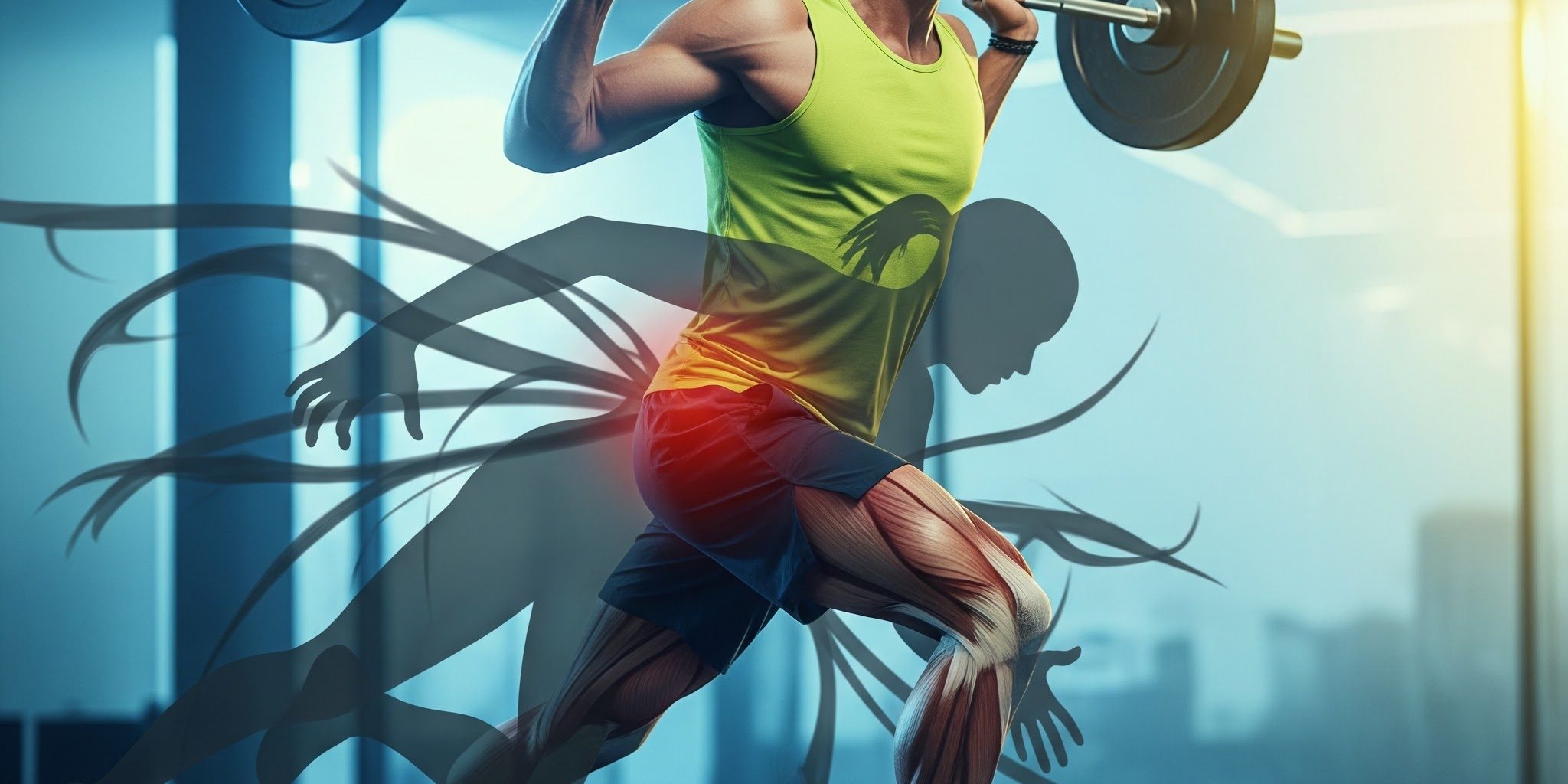
As an active adult or a weekend warrior, you know the thrill of breaking a personal record, dominating the pickleball court, or crushing a CrossFit workout. But what happens when that newfound passion quickly turns into persistent pain? Ignoring chronic pain can be tempting, fueled by a mindset that champions grit and toughness. However, understanding the importance of addressing pain head-on can make all the difference in your performance and overall well-being. Let’s delve into how you can differentiate between normal soreness and injury, the benefits of chiropractic care, how shockwave therapy aids recovery, and so much more!
Understanding Normal Soreness vs. Injury
First, it’s important to recognize that not all discomfort is created equal. After an intense workout, you may experience normal muscle soreness, also known as Delayed Onset Muscle Soreness (DOMS). This is a sign of your muscles repairing and growing stronger. However, if you feel sharp, persistent pain that prevents you from performing your usual activities, that’s a red flag.
Key distinctions include:
- Normal Soreness: Dull and achy muscle fatigue that can be relieved with gentle stretching or rest.
- Injury: Persistent sharp pain, swelling, or inability to move the affected joint. This often indicates something more serious and deserves immediate attention.
Long-Term Consequences of Ignoring Pain and Soreness
Pushing through pain might feel like a badge of honor but ignoring it can lead to long-term consequences. Chronic pain can lead to compensatory movements, altering your biomechanics and placing stress on other areas of your body. This compensation can result in a cascade of issues and injuries not just to the initial site of pain, but throughout your kinetic chain. Remember, sustained discomfort is your body’s way of signaling that something isn’t right; ignoring these cues can result in extended downtime, impacting your active lifestyle.
The Benefits of Chiropractic Care for Active Adults
Chiropractic care can be a gamechanger for active adults seeking relief from chronic pain. Regular visits to a chiropractor can help restore proper alignment and function to your body, decreasing pain and improving performance.
Benefits include:
- Improved Mobility: With adjustments targeting misalignments, you may experience an increase in range of motion, which can enhance your athletic performance.
- Pain Management: Avoiding medications, chiropractic care focuses on natural relief methods to help reduce inflammation and alleviate pain.
- Injury Prevention: Regular adjustments can help prevent injuries by keeping your body in proper alignment and functioning optimally.
How Shockwave Therapy Can Aid Recovery
In addition to chiropractic care, consider incorporating shockwave therapy into your recovery regimen. This non-invasive treatment utilizes acoustic waves to replenish blood flow and promote healing in injured tissues. Shockwave therapy has been particularly effective for conditions like tendonitis and plantar fasciitis, often experienced by runners and athletes alike.
Benefits include:
- Accelerated Healing: Increases circulation and cellular regeneration in the affected area.
- Reduced Pain: Many patients report significantly lower pain levels after just a few sessions.
- Versatility: It can be used on various injuries, making it a fantastic addition to your recovery toolkit.
Understanding Joint Restriction and Compensation
While you’re engaged in your favorite sports or activities, awareness of joint restriction is crucial. Often, pain comes from a restricted joint resulting from poor mobility, overworking, or past injuries. When a joint is restricted, your body compensates by altering movement patterns, which can create additional strain on other muscles and joints. Recognizing these limitations before they become chronic can save you from injuries.
Strategies for Incorporating Recovery into Active Lifestyles
Recovery should be an integral part of your fitness regimen, not an afterthought. Here are a few strategies to seamlessly incorporate recovery into your active lifestyle:
- Listen to Your Body: Pay attention to how you feel during and after workouts. Adjust intensity, incorporate rest days, and prioritize sleep.
- Embrace Active Recovery: Consider gentler activities like yoga, stretching, or walking on rest days. This keeps you moving without overexertion.
- Nutrition and Hydration: Fuel your body with nutrient-rich foods and stay hydrated to promote muscle recovery and joint health.
Why Performance Enhancement is as Important as Pain Relief
Lastly, it’s crucial to understand that performance enhancement is just as vital as pain relief. By prioritizing both aspects, you not only extend your athletic career but also optimize your overall quality of life. Focusing on mobility, strength training, and recovery protocols can improve your game, keep you injury-free, and allow you to enjoy the activities you love for years to come.
In closing, it’s essential to recognize that addressing chronic pain is a proactive approach to enhancing both your performance and overall well-being. As a licensed chiropractor with experience in sports injuries and recovery, I’ve seen firsthand how effective strategies, such as chiropractic care, shockwave therapy, and a thorough understanding of joint mechanics, can prevent minor discomfort from developing into significant injuries. By prioritizing your health and incorporating thoughtful recovery practices into your active lifestyle, you not only protect your body but also position yourself to fully enjoy your favorite activities.
Remember, balancing recovery with performance enhancement is key to unlocking your true athletic potential. Embrace these principles, and you’ll pave the way for a resilient and capable body that thrives in every endeavor.